Pack · 8 talks · 7h 38m to watch, 50 min to read

How ML teams ship together

The model is ready, but the application team has no time to integrate it. A data problem keeps returning because the producer and consumer expect different things. Everyone supports the project, yet nobody will change the business process that would use its predictions. Begin by agreeing on the outcome and examining the actual work between disciplines. Then consider how to staff missing capabilities, assign responsibility for a running service and transfer maintenance without abandoning its new owner. The later accounts connect everyday collaboration to leadership: small releases, room to revise decisions and written responsibilities. Finish by distinguishing stakeholder agreement from a commitment to act. The point is a team that can deliver and improve a useful system, with enough shared understanding to keep doing so when people move on.

2
Beverly Wright, Wavicle Data Solutions & Sadie St. Lawrence, Human Machine Collaboration Institute / LinkedIn Learning & Joe Reis, Ternary Data & Victor Cuadros, Microsoft · 27:55 · DE4AI 2024
Data Scientists & Data Engineers: How the Best Teams Work

Why second: This panel examines the everyday cost of separate disciplines that cannot see the finished product. Pair programming and learning the other role's constraints make upstream dependencies less abstract. Those practices give shared requirements a way to survive the handoff from a conversation to working code.

3
Leanne Fitzpatrick, Financial Times · 1:01:40 · MLOps Coffee Sessions
Building Better Data Teams

Why here: Fitzpatrick identifies engineering capacity as the constraint behind an apparently undersized data science function. Embedded colleagues connect technical work to commercial users as well as helping models reach production. Staffing follows the missing work, rather than assuming that another model builder will remove a delivery bottleneck.

4
Ciro Greco, Coveo · 43:02 · MLOps Coffee Sessions
MLOps as Tool to Shape Team and Culture

Why here: Greco gives domain expertise a concrete responsibility: the final data preparation belongs with the people who understand its use. A small working system then tests that understanding with product and business colleagues. This keeps cross-functional collaboration tied to a deliverable and a feedback opportunity.

5
Grant Wright, SEEK Ltd. · 50:40 · MLOps Coffee Sessions
Autonomy vs. Alignment: Scaling AI Teams to Deliver Value

Why here: Wright describes teams accountable for an operating service rather than a model file. Written partner agreements specify behavior, consumers and maintenance, while the reorganization creates real friction for previously autonomous specialists. The account shows what shared responsibility requires beyond drawing a new organization chart.

6
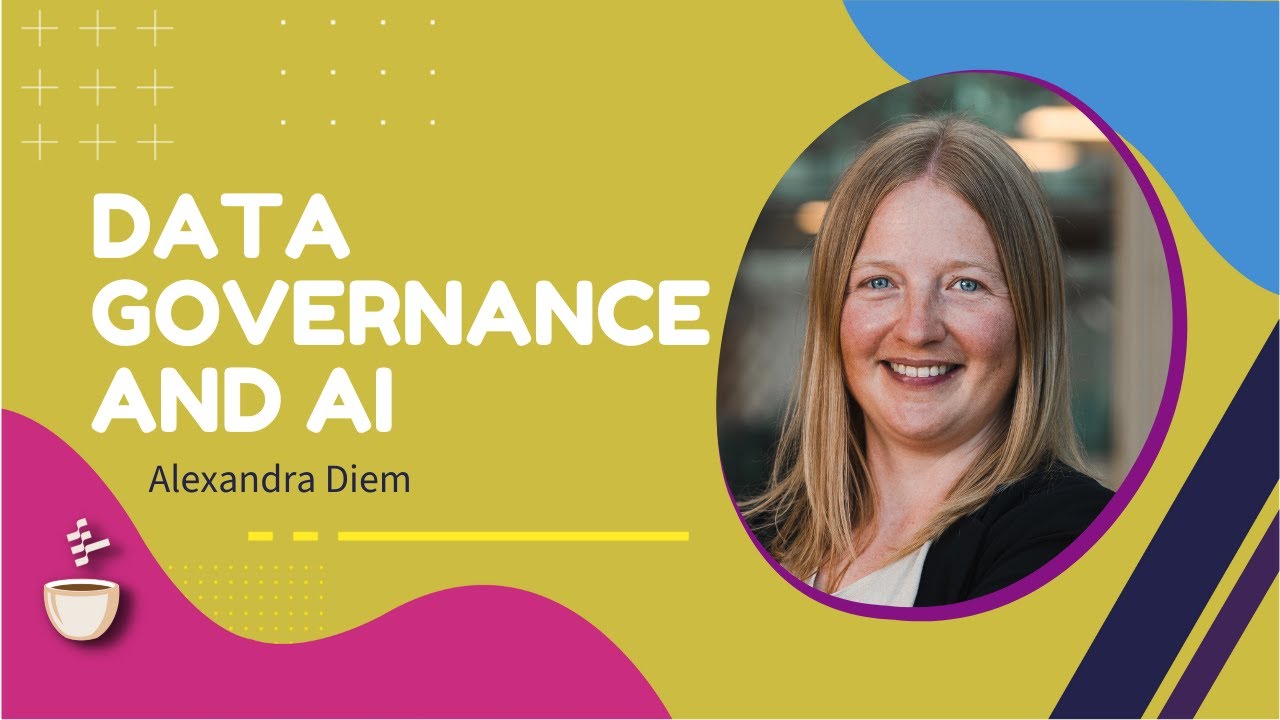
Alexandra Diem, Gjensidige · 1:05:46 · MLOps Podcast
Data Governance and AI

Why here: Diem's enabling team temporarily pairs with business-unit analytics teams, builds capability and explicitly transfers model maintenance. That offers a different answer to centralization: specialist help can end without leaving an unsupported artifact behind. Starting with one complete use case makes the transfer teachable before the approach spreads.

7
Jet Basrawi, Satalia · 53:41 · MLOps Coffee Sessions
Culture and Architecture in MLOps

Why here: Basrawi connects small batches and preparation for failure to the leadership conditions that let teams learn. His criticism of ceremonial process matters after defining the roles: a written agreement cannot replace frequent conversation about a customer problem. Teams also need permission to revise decisions when the evidence changes.

After this pack: RAG in production →