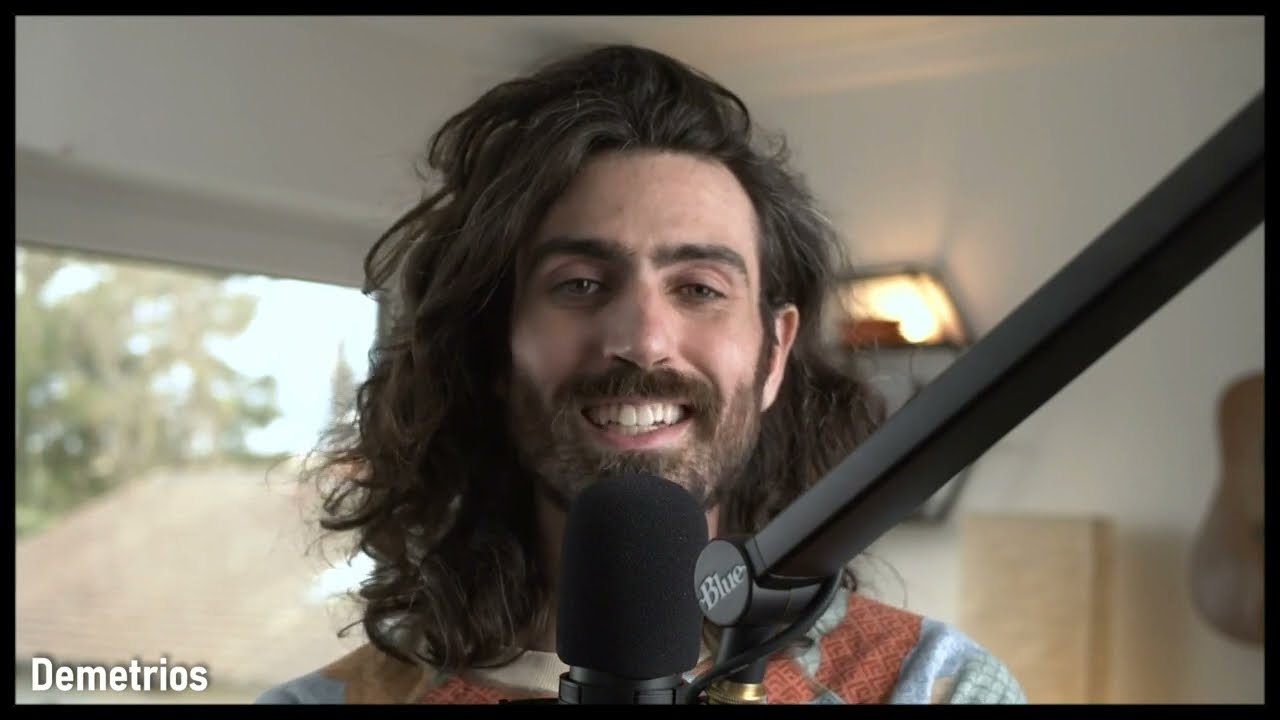
The MLOps Community grew from a virtual meetup started during the 2020 pandemic into a network with 21,000 Slack members, local meetups in 37 cities, newsletters, podcasts, blogs, virtual events, employees, and volunteers.
2
Demetrios Brinkmann built the community without a traditional machine learning background, learning from guests and members while keeping technical questions and answers public so more people could benefit.
3
The community supports many forms of participation, from volunteering and local meetups to reading the newsletter, and its value depends more on the quality of relationships and conversations than on member counts.
Summary
Mihail Eric talks with Demetrios Brinkmann about how the MLOps Community began and what it became after four years. The community started during the COVID-19 shutdown, when Demetrios's employer, Dot Science, was struggling and then closed. A Slack group and virtual meetups gave practitioners a place to share how they put machine learning into production. By March 2024, the community had 21,000 Slack members, local meetups in 37 cities, newsletters, a podcast, a blog, virtual events, employees, and many volunteers. Demetrios describes learning the field in public while asking guests questions he initially did not understand. He also explains why public discussion matters, how volunteers and local champions helped the community grow, and how sponsorship replaced an expensive attempt to fund meetup food and drinks directly. Career connections happen through questions, volunteering, events, and the jobs channel, although he says these outcomes are hard to quantify. The conversation ends with plans for the first in-person conference and a desire to preserve the community's informal tone.
The community has grown into several connected formats
Demetrios Brinkmann describes a community with about 21,000 people in Slack, two weekly newsletter editions, local meetups in 37 cities, virtual meetups, virtual conferences, a podcast that goes out twice a week, and a community blog. Anyone can submit to the blog, where contributions are reviewed before publication. The organization also has about seven direct employees and many volunteers, including local meetup leaders and blog contributors. He says the first in-person conference, planned for June 25, is exciting and frightening because it is the first time the community is taking on that format.
The community began when Dot Science could no longer sell its product
Demetrios explains that he was working for Dot Science in Spain before the pandemic. The company worked on data lineage at a time when many companies were still struggling to get value from machine learning, and the largest organizations tended to build their systems in-house. When COVID-19 hit, potential customers were focused on whether their jobs and companies would survive, so sales conversations stopped. Dot Science CEO Luke Marsden suggested starting an open community where competitors could also participate and give talks. After four virtual meetups, Dot Science went out of business at the end of April 2020.
A modest Slack target gave Demetrios a reason to keep going
After losing his job, Demetrios was applying for roles on LinkedIn while preparing to move from Spain to Germany with his young daughter. He told a friend that reaching 600 people in the Slack channel by the end of May would be a strong signal that the community deserved his attention. The group reached that number, which led him to imagine reaching 1,000 people and creating more activities beyond Slack. He then focused on helping members start initiatives and building movement around the obvious interest in practical machine learning.
Demetrios learned MLOps by admitting what he did not understand
Demetrios says that during the second and third virtual meetups, he often had no idea what guests meant when they discussed monitoring, continuous training, or data drift. He used questions collected from technical friends, asked them in sequence, and mostly nodded through the answers. Over time, he began to learn enough to offer advice in some situations, while still directing people toward public community discussions. He argues that a question asked by one person may help many others, so members should avoid moving useful clarifications into private messages unless the subject is sensitive.
The platform should belong to the members rather than to one personality
Demetrios says people move in and out of the community as their jobs and interests change. Someone working on an ML platform may leave when they move to a data platform role at a company that is not yet working on AI. He does not try to hold on to every member. Instead, he wants to maintain relationships and give people places to contribute. Writing for the blog, appearing on the podcast, joining an event, or being mentioned in the newsletter can help members make connections and get their work noticed. He describes the community as something that should be large enough for more people to stand on.
Different members need different paths through the community
The community is trying to understand why people join and guide them toward useful activities. Someone with an open-source project may want feedback or funding. Someone with a difficult work problem may need advice from people who have faced it before. Another person may be looking for a job, while investors and marketers have different reasons for participating. Demetrios gives the example of a data engineer who wants to learn about MLOps. That person could receive recommended meetups, events, and email sequences after joining. He sees these paths as a way to make the community more useful without assuming every member wants the same thing.
Community participation can lead to career opportunities without becoming transactional
Demetrios has heard about people finding jobs through the community after answering questions, volunteering, becoming local champions, seeing a role in the jobs channel, or contacting someone who posted an opening. He says these outcomes are difficult to measure because they often happen through private follow-up conversations. Mihail Eric observes that the community has found a difficult balance: career growth is a practical benefit, while an excessive focus on jobs could make participation feel transactional. Demetrios agrees that the best outcomes often happen as a result of people having useful conversations and relationships first.
Lurkers and readers can still carry community knowledge into their workplaces
Demetrios has changed his view of members who do not actively post. He says people sometimes screenshot a question and its answers from Slack, then share them in their company Slack to influence a policy or design decision. Others engage by reading the newsletter, listening to the podcast, attending a local meetup, or joining a conference. He still believes some members need to participate actively for a community to remain alive, but he does not require every member to post. He also rejects member count as a measure of value, saying a group of 30 engaged people can be more useful than a group of 30,000 people.
Volunteers made local growth possible, but direct event funding became expensive
The first volunteers, including David Aponte and Vishnu, offered help soon after the community began. David taught Demetrios technical concepts and helped him understand subjects he was reluctant to ask guests about. As more local chapters appeared, the community documented how to find venues, speakers, sponsors, food, drinks, and attendees. A sponsorship from Neptune initially allowed the organization to reimburse meetup expenses. When the number of cities and events grew, the monthly cost became too high, so the community shifted toward helping local organizers find sponsors for their own food and drinks. Demetrios says members supported that change.
"If one person has the question, I think others have the question and it's worth putting it into a public channel so that everyone else can learn from it."Demetrios Brinkmann21:48
Who should watch
You are building a technical community and want practical lessons about volunteers, local chapters, sponsorships, and member engagement.
You are trying to understand how a community can support career connections without turning every interaction into a job transaction.
You want the origin story of the MLOps Community, including how it grew from a pandemic-era Slack group and virtual meetup series.