Pack · 6 talks · 4h 58m to watch, 35 min to read

Reproducible experiments

The score is in a spreadsheet, the model is in a bucket, and nobody can identify the data or environment that produced either. Rerunning the latest code does not recover the experiment when its inputs have changed. Start with the records people lose, then build a checklist for preserving code, data and execution conditions together. Data versioning gives a run an identifiable input; experiment tracking connects that input to parameters, outputs and comparisons. Notebook execution state exposes another source of missing context. Finish by asking what kind of reproduction you actually need, including the dependencies, runtime and randomness required to investigate a failure. These historical implementations show different parts of the record. No single dashboard supplies all of them merely by being installed.

4
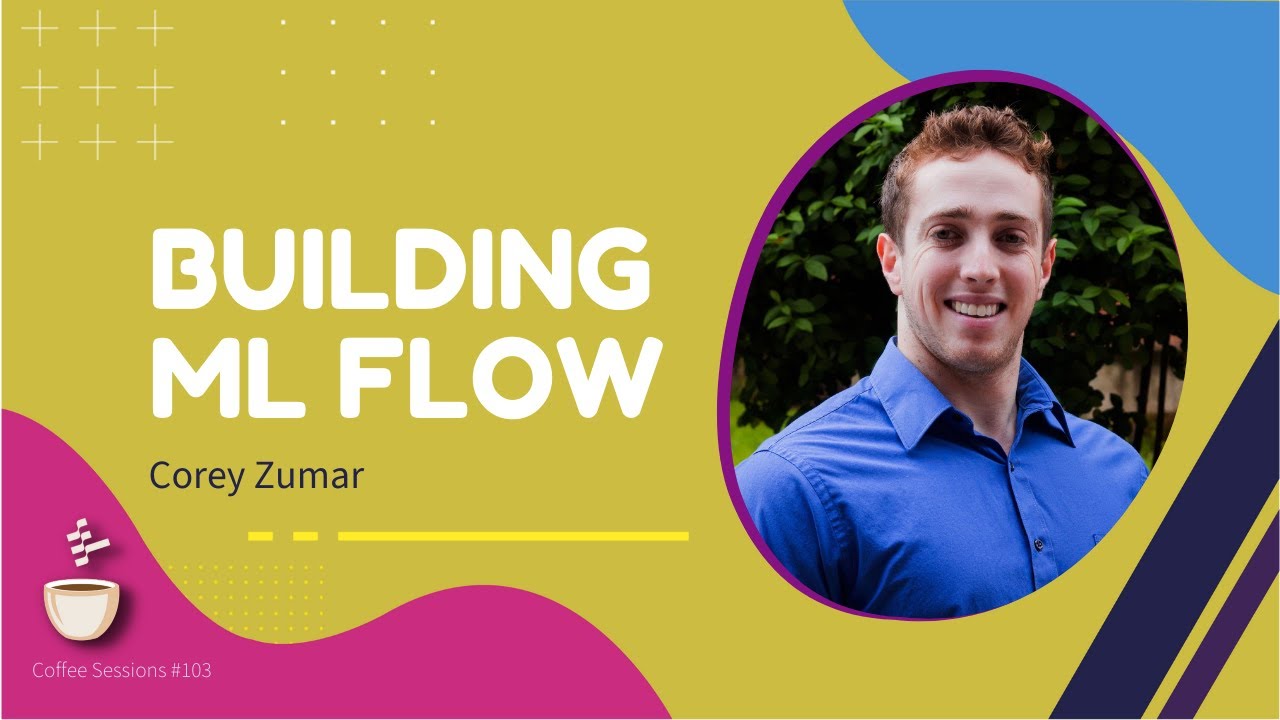
Corey Zumar, Databricks · 59:11 · MLOps Coffee Sessions
Making MLflow

Why here: Recoverable files still need an intelligible experiment history. Zumar describes tracking parameters, artifacts, source and environments, then admits that thousands of logged models can remain difficult to navigate. His 2022 account makes naming and retrieval conventions part of reproducibility, rather than assuming that logging every run finishes the job.

5
David Aronchick, Microsoft · 53:47 · MLOps Meetup
The SAME Project: A Cloud Native Approach to Reproducible ML

Why here: Notebook state can be missing even when metrics and artifacts were saved. Aronchick's 2021 SAME proof of concept records run parameters and the variables entering and leaving tagged steps. Its limited scope matters: use the demonstration to ask what execution context you need, without assuming every notebook can be captured or translated automatically.

6
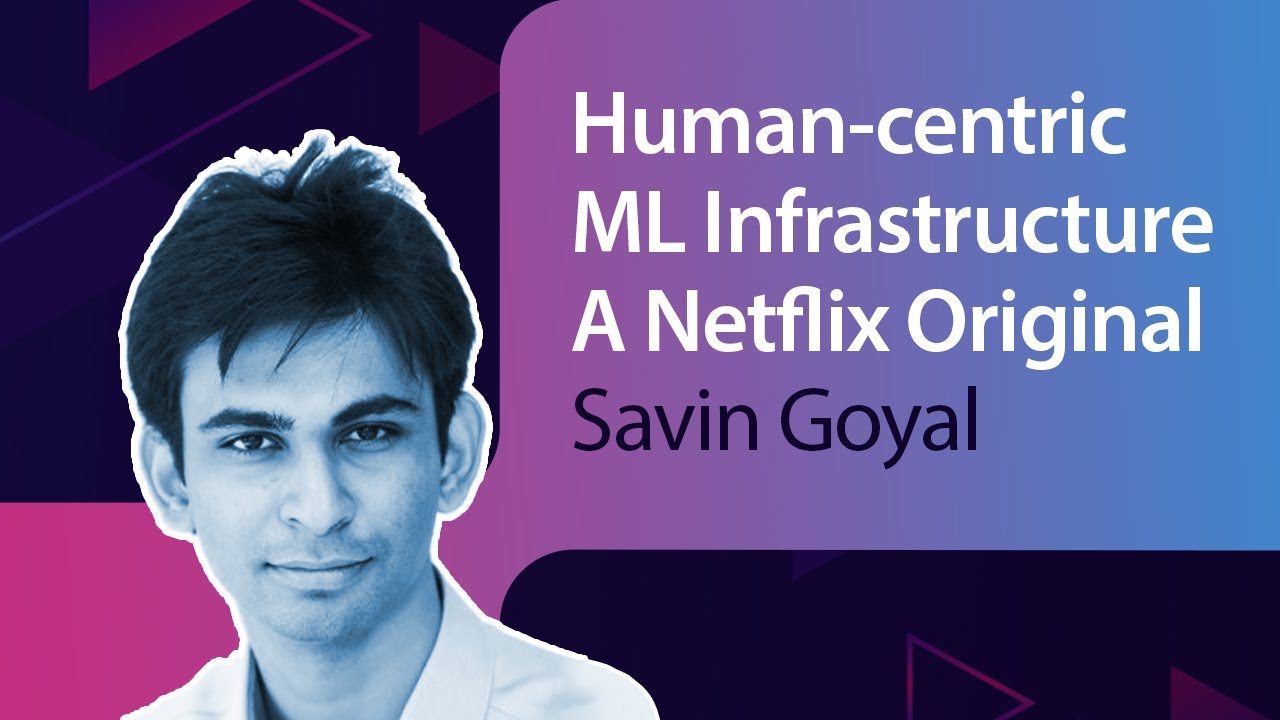
Savin Goyal, Netflix · 56:07 · MLOps Meetup
Human-centric ML Infrastructure: A Netflix Original

Why last: Reproduction has a purpose and a cost. Goyal asks what it takes to recreate a production failure, including dependencies, runtime and randomness, then connects that record to a usable debugging experience. Finish by choosing the guarantees your investigation needs and checking that the captured evidence can actually support them.